New 401(k) Auto-Enrollment Rules Are Final, Starting With 2028 Plan Years
Covered plans must sign workers up at 3 percent of pay and raise that each year to at least 10 percent, unless the worker opts out.
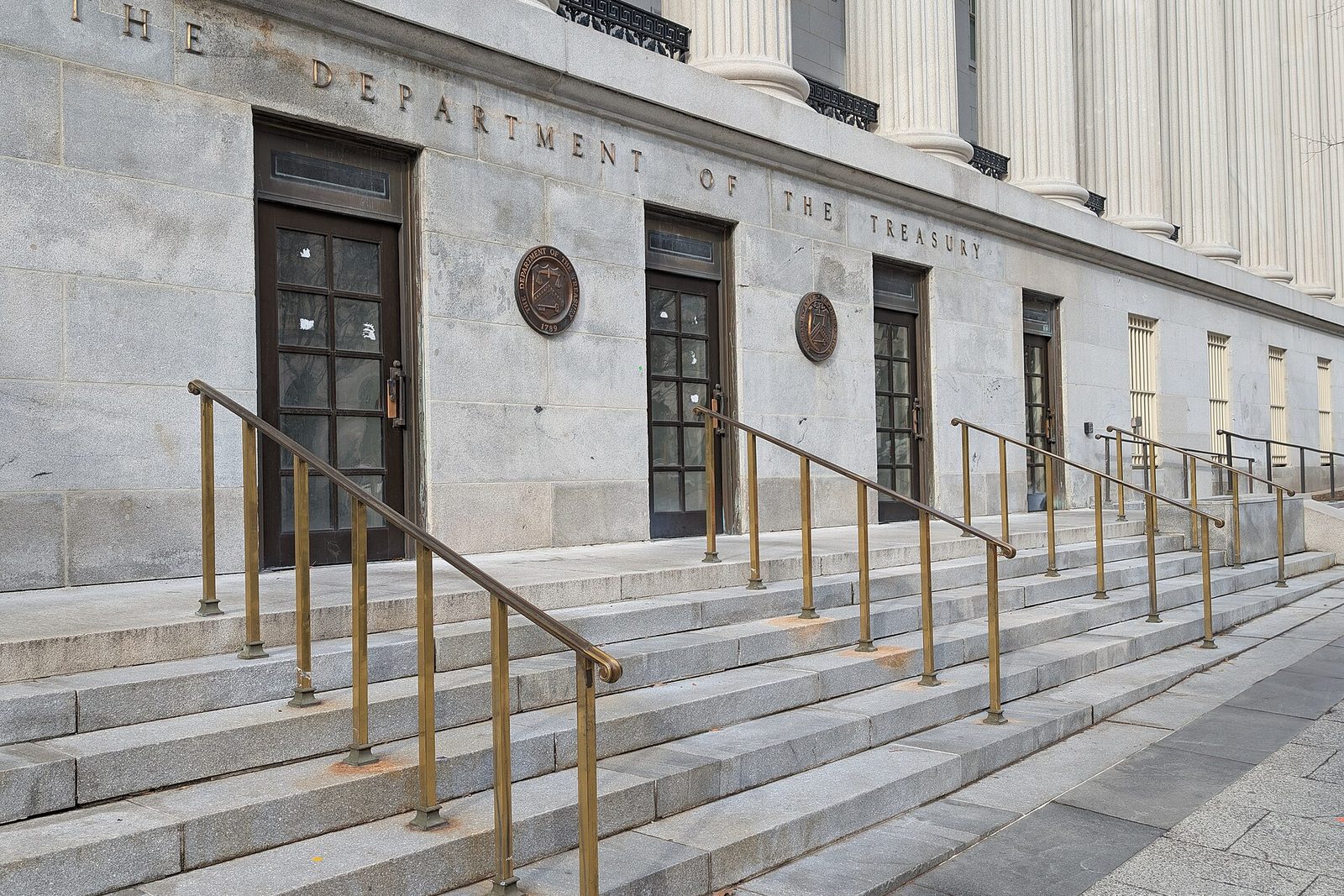
The Treasury Department and the IRS issued final rules Tuesday for the automatic enrollment requirement in the 2022 SECURE 2.0 retirement law. Covered 401(k) and 403(b) plans generally must enroll eligible employees at a contribution rate of 3 percent of pay unless the employee says otherwise.
After an initial period, the default rate generally must rise by at least one percentage point a year until it reaches at least 10 percent, with a 15 percent cap. Workers can opt out or choose a different rate, the IRS said.
The rules generally apply to plan years beginning after Dec. 31, 2027, which gives employers time to change their systems. The law's exceptions remain for qualifying small and new businesses, government plans, church plans and SIMPLE 401(k) plans; the IRS release does not restate the size and age cutoffs, which are in the regulation itself.
Employers get some flexibility over when and by how much the automatic increases happen, within the law's limits. They may also combine some required notices, and they can send fewer annual notices to eligible employees who are not participating, as long as those employees get a yearly reminder. The rules also explain how the requirement applies after plans merge.
Treasury estimates the expansion will add an average of $4.2 billion a year to retirement savings over 2023 to 2032. "A financially secure retirement is a cornerstone of the American Dream," Treasury Secretary Scott Bessent said in the release.
Sources