Vol. I  ·  No. 49
Sunday, November 22, 2026
🔍 Search  ·  237 stories in the archive

Front page › Back issues › Wednesday, November 18, 2026

Wednesday, November 18, 2026

15 stories in this edition

Retirement

Coast FIRE vs. Barista FIRE: Two Ways to Work Less Before Retirement

Coast FIRE reduces the need to keep saving; Barista FIRE reduces the need for full-time wages. Here's the difference, with examples.

Painted illustration of a man in a barista apron reading a notebook at a sunny cafe table, with a latte, a closed laptop and a jar of coins, and a park through the window.
AI-generated editorial illustration of working part-time on the way to retirement. Illustration

Two of the most practical alternatives to an all-or-nothing early retirement are Coast FIRE and Barista FIRE. Both can create more control over work without first saving enough to stop earning altogether. But they solve different problems and call for different financial calculations.

COAST FIRE means your existing investment balance is projected to grow to the amount needed at a future retirement age without any additional retirement contributions. You still need enough employment or other income to pay living expenses until that age. Someone might stay in a profession they enjoy, move to a lower-paying role or work fewer hours, but their current income must still cover the bills.

BARISTA FIRE means ongoing part-time or lower-stress work pays part of today's living costs, while the investment portfolio or another source pays the remainder. It can permit an earlier reduction in career demands because the portfolio only needs to support the spending not covered by wages. That work income may provide additional benefits, but health coverage must be verified rather than assumed.

START WITH SPENDING, NOT A LABEL. Consider a household spending $60,000 annually with no dependable nonemployment income. At a hypothetical 4% initial withdrawal rate, fully funding that spending from a portfolio suggests $1.5 million in today's dollars. If reliable part-time wages cover $20,000 of expenses indefinitely, the investment-funded portion falls to $40,000, equivalent to a simple $1 million Barista FIRE target at 4%. Both numbers exclude taxes and the possibility of losing the part-time position.

THE COAST FIRE FORMULA is different. First estimate the investment balance required at the future retirement date, taking account of inflation and expected spending. Then discount that future target back by an assumed investment-growth rate over the years until retirement. The result is the amount that would need to be invested today with no further contributions.

Suppose someone is 40 and expects to retire fully at 65. A constant annual return assumption of 6% implies that money invested today could grow roughly 4.3-fold in 25 years. But expenses also grow: at 2.5% annual inflation, today's $60,000 of spending becomes about $111,000 a year at 65. Using 4% as a simple rate implies a roughly $2.78 million future-dollar target, requiring around $647,000 invested at age 40 to coast toward it. These are deterministic illustrations; actual returns will not be smooth.

THE BIG DIFFERENCE: Coast FIRE generally seeks to avoid withdrawing from investments during the coast years. Barista FIRE may rely on withdrawals while earning wages, which increases exposure to weak markets early in semi-retirement. Coast FIRE can therefore be easier to model but still exposes the investor to bad long-run returns and inflation surprises.

HEALTH INSURANCE MAY TIP THE BALANCE. A part-time role that actually provides useful employer coverage can make Barista FIRE more attractive. But employers are not generally required to offer health coverage to every part-time employee, and plan eligibility varies. Losing a full-time job's health insurance may make Marketplace coverage or a spouse's plan a critical budget item.

TAXES AND ACCESS MATTER. A person taking money from a traditional IRA or 401(k) before age 59½ may face an additional tax unless a qualifying exception applies. Retirement balances should not be treated as interchangeable with cash available for immediate spending. A separate taxable brokerage account, cash reserve or properly planned withdrawal pathway may be needed. Advice about one exception should not be generalized to all account types.

COAST FIRE is often more appealing to people who already have substantial investments and want to spend more time with family or reduce the intensity of a career. BARISTA FIRE may better fit someone who prefers a combination of work and leisure and can meet some living expenses without a full-time paycheck. Neither guarantees freedom if the assumed work income disappears or expenses rise.

TEST THE PLAN UNDER STRESS. What if investment returns are two percentage points lower? What if childcare, healthcare or housing spending rises? What if part-time work dries up for a year? An emergency fund and willingness to increase hours when needed can matter more than meeting a precise spreadsheet threshold.

A common mistake is declaring Coast FIRE using only a future investment balance and forgetting inflation. Another is declaring Barista FIRE while counting gross part-time wages as spendable cash without accounting for taxes, commuting or insurance. Both make retirement look closer than it is.

Use the Finance Unc Financial Independence Calculator to compare full FIRE, Coast FIRE and Barista FIRE using the same annual-spending assumptions. It explicitly labels hypothetical growth rates and shows sensitivity to lower returns.

THE BOTTOM LINE. Coast FIRE changes how much you need to keep saving. Barista FIRE changes how much a portfolio must pay while you work less. The right approach depends on whether freedom from saving pressure or freedom from a full-time job is more important.

Related tool: Finance Unc Financial Independence Calculator — https://www.financeunc.com/tools/financial-independence/

Sources

Retirement

FIRE Explained: Every Major Type of Early Retirement

Lean, Traditional, Chubby, Fat, Coast and Barista FIRE share a goal—but require very different savings targets and work plans.

FIRE stands for Financial Independence, Retire Early. Behind the catchy name is a serious financial question: how much in invested savings or dependable income would it take to make employment optional? There is no single answer, because the different FIRE styles put different priorities on spending, employment, timing and security.

Financial independence is not necessarily the same as never working again. Some people seek a complete exit from paid employment, while others want the freedom to reject a stressful position, work seasonally, spend more time with family or pursue projects with uncertain income. For that reason, the most useful starting point is not the name of the strategy but an honest budget.

HOW THE MATH STARTS. A common shorthand is to divide annual spending funded by the portfolio by an assumed initial withdrawal rate. At 4%, a household requiring $60,000 per year from investments starts with a $1.5 million target; at 3.5% the figure is about $1.71 million. These are simple illustrations in today's dollars, before making adjustments for taxes, future spending, changing income or market risk. A portfolio invested over 45 or 50 years can require more conservative planning than one intended to support 30 years.

LEAN FIRE emphasizes modest spending. Smaller housing and transportation costs, inexpensive recreation and careful budgeting lower the portfolio required to support the lifestyle. The advantage is a potentially earlier exit from work; the disadvantage is less room for unexpected medical expenses, helping relatives or changing one's mind about travel and hobbies.

TRADITIONAL FIRE aims to fund a household's ordinary spending without depending on a job, while generally avoiding extremes in either frugality or luxury. One family may reach it with modest home costs and $50,000 annual spending; another may need considerably more. The definition rests on financial independence relative to spending, not on the possession of a specific amount of money.

CHUBBY FIRE is an informal term for retirement with a comfortable, above-basic lifestyle, including room for travel, activities and discretionary purchases. FAT FIRE refers to an even higher-spending approach that seeks substantial comfort or luxury without the need to pare spending aggressively. There is no official line separating Chubby from Fat FIRE, and prices vary enormously across locations.

COAST FIRE changes the savings schedule. Someone who has invested enough today for the portfolio to plausibly grow to a future retirement target can stop making new retirement contributions while continuing to earn enough to cover current living costs. It is not full financial independence today; the person still needs current income, and the plan relies on investment assumptions that may not materialize.

BARISTA FIRE combines a smaller investment portfolio with ongoing part-time or lower-stress employment. The work income reduces the amount that must be withdrawn from investments. Unlike Coast FIRE, this model may involve taking some portfolio distributions before traditional retirement, so withdrawal timing and sequence risk become especially relevant.

SLOW FIRE spreads savings across a longer timeline to allow more spending and flexibility now. FLAMINGO FIRE, an informal community variant, typically involves reaching a partial target and then shifting to lighter work while invested assets keep growing. GEOARBITRAGE or EXPAT FIRE seeks a lower cost of living by moving, although taxes, healthcare, residency and family considerations can offset apparent savings.

Income-based labels such as rental-property FIRE, dividend FIRE or entrepreneur FIRE describe the source of cash flow, not an official additional retirement classification. Dividends are not free money, rents require repairs and vacancies, and ownership of a small business may remain a job unless it operates without daily involvement.

A PRACTICAL COMPARISON. At $40,000, $60,000 and $120,000 of portfolio-funded annual spending, the simple targets at 4% are $1 million, $1.5 million and $3 million. At 3.5% they rise to approximately $1.14 million, $1.71 million and $3.43 million. These examples illustrate the power of spending choices, not a safe retirement promise. Withdrawals must also cover any income taxes that the plan includes.

WHICH FITS? Someone who values abundant time and can happily live modestly may prefer Lean FIRE. A family wanting to preserve current spending may work toward traditional or Chubby FIRE. A person who enjoys some professional work but wants greater control over hours may find Coast or Barista FIRE more practical. The decision changes when children, older parents, health insurance or housing needs enter the picture.

Before selecting a label, estimate sustainable spending, invested assets, dependable future income, how many years the portfolio must last, the cost of pre-Medicare healthcare and the risks of weak early market returns. Morningstar's withdrawal research notes that the suitable initial rate depends materially on the retirement horizon and how flexible spending can be.

Use the Finance Unc Financial Independence Calculator to compare the full portfolio target with Coast and Barista scenarios. Change expected returns, inflation, savings and annual expenses, then test a less favorable return. The calculator is an educational model, not a forecast.

THE BOTTOM LINE. The most useful FIRE label is the one that helps translate financial freedom into a realistic budget and a sustainable work plan. The objective is not necessarily to stop producing income as quickly as possible; it is to create the ability to decide how your time will be spent.

Related tool: Finance Unc Financial Independence, FIRE and Coast FIRE Calculator — https://www.financeunc.com/tools/financial-independence/

Sources
notice 10-year Treasury yieldNationwide5.07% on Nov 18, down 0.03 point from Nov 17; 2-year 4.80%, 30-year 5.41%checked Nov 18

Rates

10-Year Treasury Yield Slips to 5.07 Percent

The 10-year Treasury yield closed Wednesday, Nov. 18, at 5.07 percent, down 0.03 percentage point from Tuesday, according to the Treasury Department's daily par yield curve. The 2-year yield was unchanged at 4.80 percent and the 30-year fell 0.05 point to 5.41 percent. The 10-year yield helps set mortgage and other long-term loan rates; Freddie Mac's weekly mortgage survey comes out Thursday.

Sources

Taxes

Watch: the IRS on taxes for college athletes paid for NIL

Two short IRS videos on name, image and likeness income.

IRS, NIL and Taxes: What Student-Athletes Need to Know (Nov. 18). IRS on YouTube

The IRS posted two videos Wednesday aimed at college athletes who earn money from their name, image and likeness. The Taxpayer Advocate Service says money, goods and services received from NIL deals are generally taxable income, that athletes with at least $400 in net self-employment earnings from NIL work must file a return, and that many will need to make quarterly estimated payments. These are the agency's own explainers.

Hosts' opinions are their own; this is not financial advice, so check how any account or rule applies to your situation. Creators don't pay to be featured, and we note sponsored segments and referral links.

Sources

advisory Proposed IRS rules on opening and funding Trump accountsNationwideComments due Nov 30 (Federal Register doc. 2026-20027)checked Nov 18

Taxes

Comments on Trump Account Auto-Enrollment Rules Close Nov. 30

The IRS proposal covers how Treasury opens accounts for eligible children automatically and how donors can fund groups of children.

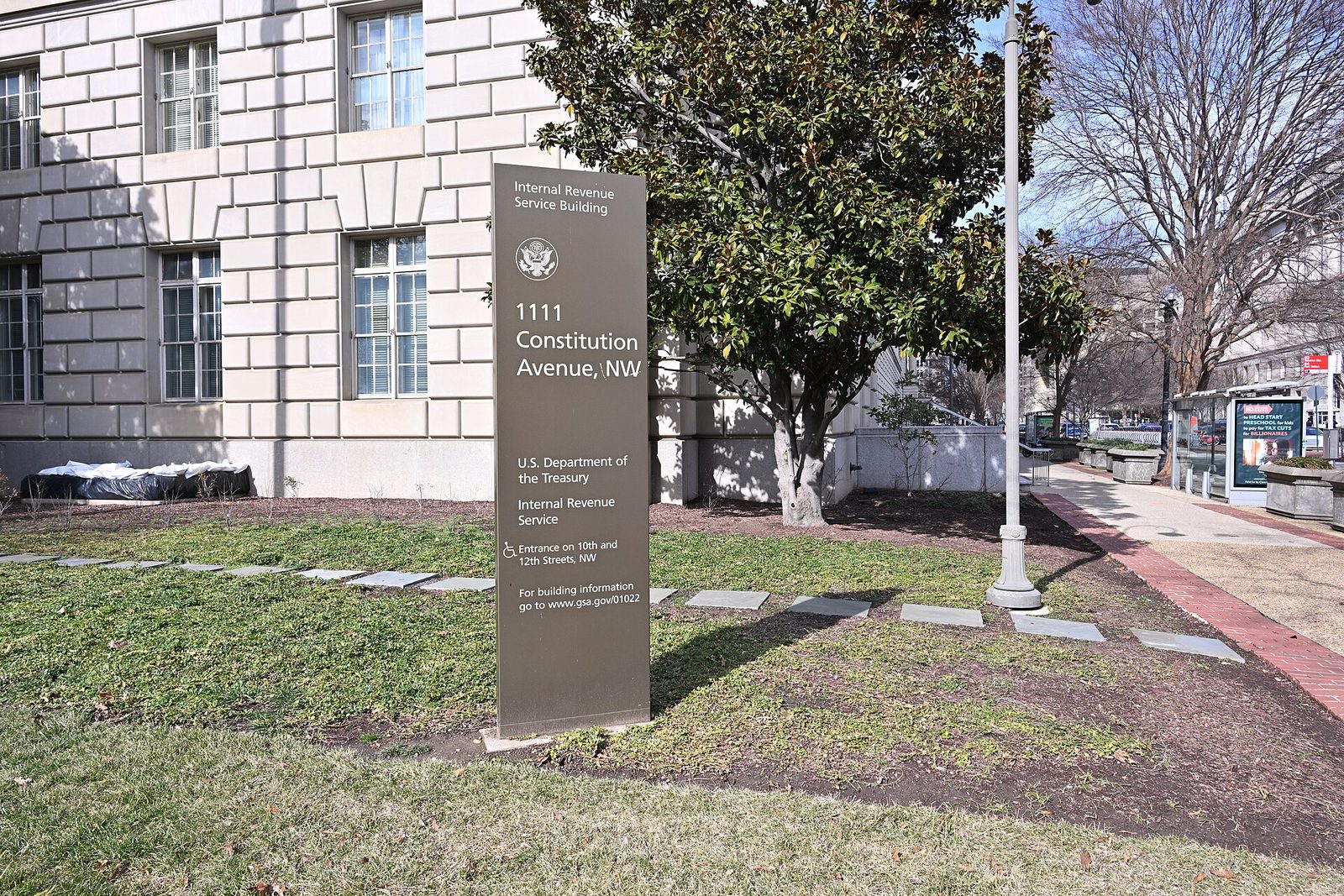
A sign reading Internal Revenue Service Building, 1111 Constitution Avenue NW, on the lawn outside the stone building.
File photo: the sign outside the Internal Revenue Service's headquarters in Washington in February 2025. Photo: G. Edward Johnson, CC BY 4.0, via Wikimedia Commons

The public comment period on the IRS's latest proposed rules for Trump accounts, the children's savings accounts created by the 2025 tax law, closes Monday, Nov. 30, according to the Federal Register's comment-deadline listings. The proposal was published Sept. 30.

It sets general requirements for the accounts and spells out how an initial Trump account is established, including automatic enrollment of eligible children by the Treasury secretary. It also covers "qualified general contributions," the provision that lets private donors fund contributions for defined groups of children, including gifts made in stock.

The IRS withdrew an earlier proposal on electing to open an initial account and reissued those rules as part of this one. It is asking for comments on several open questions, including transfers from Trump accounts to ABLE accounts for people with disabilities, how qualifying geographic areas are designated for donor contributions, exceptions to the minimum holding period for donated stock, and how a family can decline an account opened automatically.

The rules affect parents and other responsible parties, the trustees that hold the accounts, and donors. A separate proposal on which investments the accounts can hold closed for comments on Oct. 20. Comments go through regulations.gov; the notice is Federal Register document 2026-20027.

Sources

Investing

Anthropic Prices Its IPO at $83, Above the Range, Reports Say

Anthropic priced its initial public offering at $83 a share, above the $70 to $78 range it had marketed, Bloomberg News and CNBC reported Wednesday afternoon, each citing a person familiar with the matter; the company had not announced the price as of this writing. Its filing covers 825 million Class A shares. The stock is set to begin trading Thursday, Nov. 19, on the Nasdaq under the ticker ANT. Brokerages including Charles Schwab, Fidelity and Robinhood were offering part of the deal to individual investors, Yahoo Finance reported. Disclosure: this brief was drafted with the help of Claude, an Anthropic product.

Sources

advisory Federal funds target rangeNationwide3.75%-4% since Oct 28; next decision Dec 9checked Nov 18

Rates

Fed Minutes Show Nearly All Officials Expect More Rate Hikes

Minutes of the Oct. 27-28 meeting, released Wednesday, show broad worry that inflation is spreading, with many officials naming the AI build-out as a risk.

Painted illustration of the Federal Reserve building at dusk, with a clipped stack of papers and reading glasses on a stone ledge in front.
AI-generated editorial illustration of the Fed's meeting minutes. Illustration

Federal Reserve officials left interest rates unchanged at their Oct. 27-28 meeting, but almost all of them expected further increases to be needed, according to the meeting's minutes, released Wednesday at 2 p.m. Eastern. The minutes said "almost all judged that" further action to raise the target range for the federal funds rate "would likely be appropriate," Yahoo Finance reported. The range has been 3.75 to 4 percent since the Fed raised it in September, its first increase in three years.

Two members voted against October's hold because they wanted a hike: Governor Lisa Cook and Cleveland Fed President Beth Hammack. The minutes show some other officials also favored raising rates then, and two floated a half-point increase at the December meeting, the Associated Press reported.

Most participants described inflation pressures as "broad-based," and a large majority worried inflation could stay high even if gasoline prices keep falling. Many named the "AI build-out" as "a material source of inflation risk," alongside high energy prices, while the effects of tariffs appeared to be fading, according to the reports.

The minutes describe the views officials held at the October meeting; several have spoken since. Governor Christopher Waller said on CNBC on Wednesday morning that the Fed should be more aggressive, and St. Louis Fed President Alberto Musalem said Tuesday that several increases were likely by spring. The Fed's next decision is Dec. 9, after a two-day meeting.

Higher short-term rates feed through to credit card rates, home equity lines and savings yields within weeks. Mortgage rates follow longer-term Treasury yields; the 10-year yield has been above 5 percent all week.

Sources

Rates

Fed's Waller Says the Fed Should Be More Aggressive on Hikes

Federal Reserve Governor Christopher Waller, who votes on rates this year, said on CNBC on Wednesday that he is very worried inflation is moving in the wrong direction and spreading, and that the Fed should be "a little more aggressive" with rate increases, Newsquawk reported. The Fed's next decision is Dec. 9. Waller first floated a half-point move on Nov. 10. The federal funds target range is 3.75 to 4 percent. The Fed publishes the minutes of its Oct. 27-28 meeting at 2 p.m. Eastern today.

Sources

Global markets

UK Inflation Rises to 3.6 Percent as Diesel Hits a Record

Fuel drove British prices up in October, while Japan's exports reached a monthly record on chip-related demand.

Consumer prices in Britain rose 3.6 percent in the year to October, up from 3.5 percent in September, the Office for National Statistics reported Wednesday, according to Investing.com. Core inflation, which leaves out energy, food, alcohol and tobacco, was 2.8 percent and services inflation 3.7 percent, both little changed.

Motor fuel prices were 33.2 percent higher than a year earlier, the biggest rise since July 2022. Diesel averaged 199.5 pence a litre, the highest since records began in January 1996, and petrol averaged 174.7 pence. Food and soft drink inflation slowed to 0.9 percent, the lowest since September 2021, and electricity prices fell 0.8 percent after Britain cut the value-added tax on electricity to zero on Oct. 1.

In Japan, exports rose 20.5 percent from a year earlier to a record 11.8 trillion yen (about $74.1 billion) in October, the 14th straight monthly gain, Ministry of Finance data showed, Reuters reported. Economists had expected about 20 percent. Exports to the United States rose 23.9 percent and to China 13.3 percent; analysts credited demand linked to artificial intelligence for semiconductors and chipmaking equipment. Imports also hit a record, leaving a trade deficit of 476.5 billion yen, about half what economists expected.

Separately, the European Central Bank's November Financial Stability Review on Wednesday listed stretched AI valuations, high government debt and geopolitical tensions as the main risks for the euro area, while saying banks "are well placed to withstand shocks."

Sources

Credit & debt

FDIC Approves OneMain's Plan to Open a Utah Industrial Bank

The personal-loan lender expects its bank to open in about a year, funded mainly by brokered deposits.

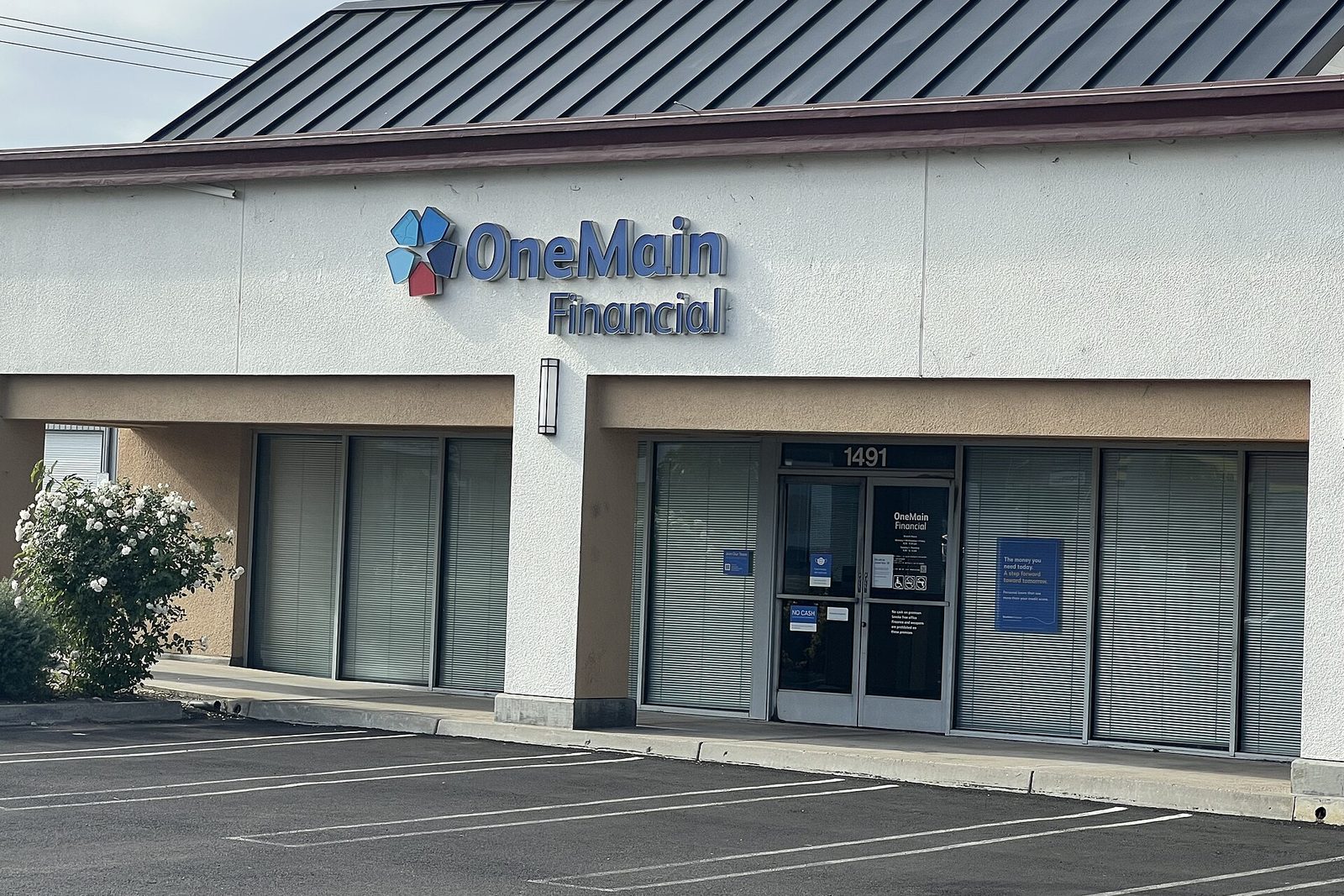
A OneMain Financial branch in a strip mall, with the company's name above the glass door.
File photo: a OneMain Financial branch in Manteca, California, in November 2024. Photo: TaurusEmerald, CC BY-SA 4.0, via Wikimedia Commons

The Federal Deposit Insurance Corporation and Utah's Department of Financial Institutions approved OneMain's applications to set up OneMain Bank, a Utah-chartered industrial bank whose deposits will be federally insured, the company said Tuesday. OneMain, a consumer lender, said it expects to open the bank in about a year and offer personal loans, auto financing and credit cards nationwide.

The bank, also called an industrial loan company, will be wholly owned by OneMain Finance Corporation, which is owned by OneMain Holdings. According to the FDIC's approval as reported by Yahoo Finance, OneMain Bank will be funded mainly by brokered deposits plus a small amount of retail savings deposits, must keep a 15 percent leverage ratio, must have a board with a majority of independent directors, and may not open branches or subsidiaries during its start-up period. The parent companies agreed to back its capital and liquidity.

The approval drew objections. The National Community Reinvestment Coalition had urged the FDIC to be "skeptical" of such charters for high-cost consumer lenders, and 13 state attorneys general led by New York's Letitia James sued OneMain in March over add-on products sold with its loans. In 2023, the Consumer Financial Protection Bureau ordered OneMain to pay a $10 million penalty and refund $10 million to about 25,000 customers; the company did not admit wrongdoing.

OneMain chief executive Doug Shulman called the approvals "another milestone" for the company.

Sources

Metals

Gold Falls Below $3,800 as Traders Bet on More Fed Hikes

Spot gold slid 1.5 percent overnight and December futures were down more than 2 percent by Wednesday morning in New York.

A large gold bar and a smaller gold ingot, both stamped with their purity, on a dark display surface.
File photo: a gold bar and ingot on display at the Banque de France in Paris in September 2022. Photo: Ibex73, CC BY 4.0, via Wikimedia Commons

Spot gold fell 1.5 percent to $3,790.18 an ounce early Wednesday, as of 00:48 Eastern time, and U.S. gold futures fell 1.1 percent to $3,823.67, Yahoo Finance reported. Gold closed Tuesday at its weakest since September 2025. By 7:14 a.m. Eastern, December futures were at $3,767.60, according to a separate Yahoo Finance report, with the opening price down 4.7 percent from a week earlier.

Other metals also slipped early Wednesday: silver fell 0.8 percent to about $47.01 an ounce, platinum 0.5 percent to $1,424.45 and spot palladium 0.7 percent to $965.10, Yahoo Finance said.

The reports tied the drop to expectations of more Federal Reserve rate increases after several Fed officials said more tightening may be needed. CME Group's FedWatch tool showed a 96.7 percent chance of a higher rate in December as of Wednesday morning, and the 10-year Treasury yield held above 5 percent. Gold pays no interest, so higher rates tend to weigh on it. Yahoo Finance noted gold has fallen more than 25 percent since the U.S.-Iran conflict began in late February.

The Fed releases the minutes of its October meeting at 2 p.m. Eastern Wednesday. Our tracker updates each evening with COMEX closing prices for gold, silver, platinum and palladium.

China's pause on its October 2025 rare earth export controls is unchanged and still runs to Jan. 10, 2027, as President Trump and Chinese President Xi Jinping prepare to meet in Shenzhen.

Sources

Investing

Target and Lowe's Sales Rise, With Help From Tariff Refunds

Target's comparable sales grew 5.6 percent and Lowe's 1.8 percent; both counted hundreds of millions of dollars in refunded tariffs.

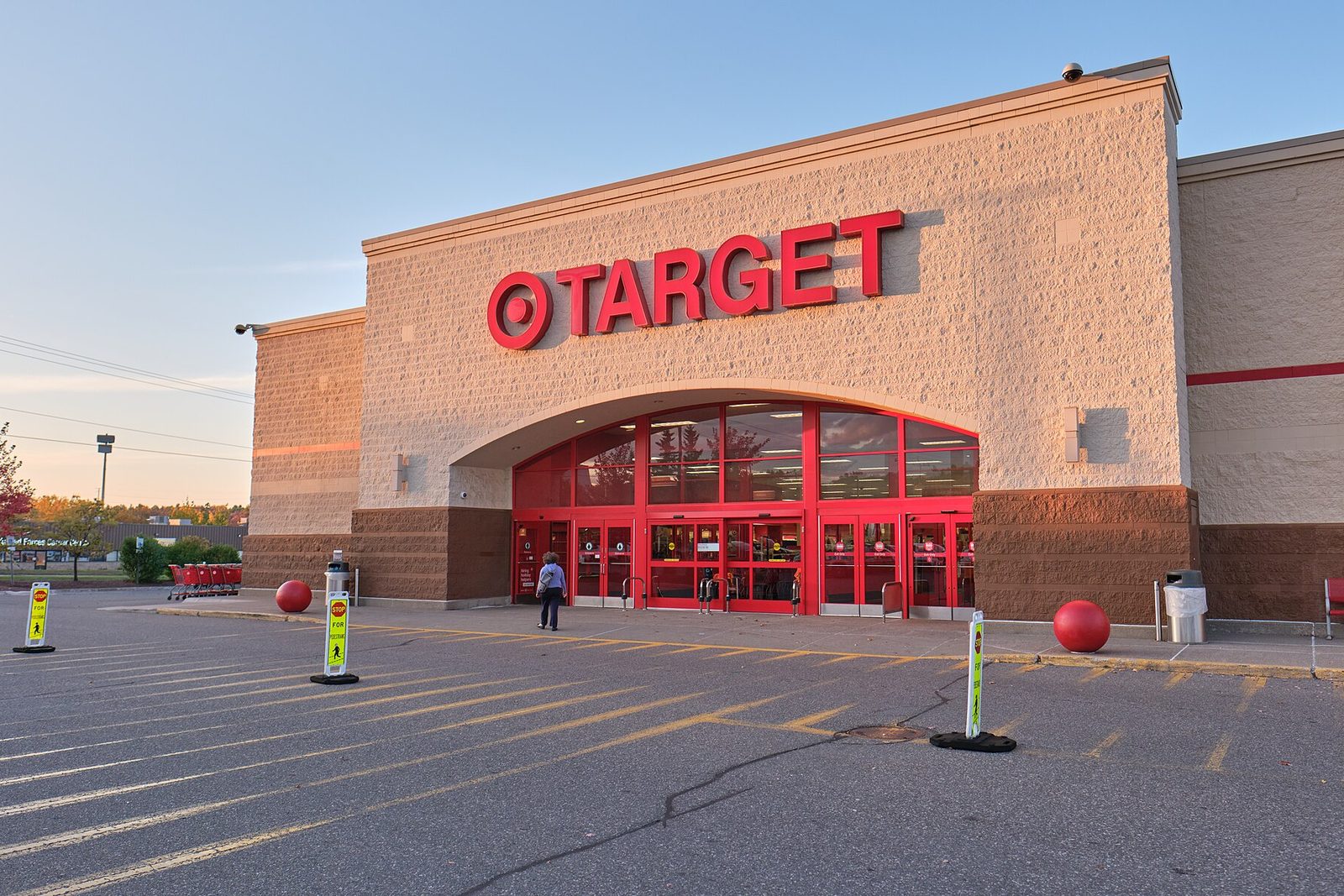
The front of a Target store with red doors and the Target name and bullseye above the entrance, seen across a parking lot.
File photo: a Target store in Marquette, Michigan, in October 2025. Photo: Chris Rycroft, CC BY 4.0, via Wikimedia Commons

Target said Wednesday that net sales rose 7.1 percent to $27.1 billion in its third quarter, and comparable sales, which compare stores and digital channels open at least a year, rose 5.6 percent on a 5.0 percent rise in customer traffic. Digital comparable sales rose 9.8 percent.

Target's earnings were $2.65 a share, up from $1.51 under standard accounting a year earlier. That included a $301 million pretax benefit from tariff refunds, worth 50 cents a share; without it, Target said, adjusted earnings would have risen about 21 percent. The company now expects full-year sales growth of about 6 percent and earnings of $10.65 to $11.40 a share, including about $2.14 a share from tariff refunds. Its outlook leaves out any future refunds.

Lowe's said sales rose 9.3 percent to $22.8 billion and comparable sales rose 1.8 percent, with online sales up 17.4 percent. Diluted earnings were $2.98 a share, up from $2.88. Lowe's recorded about $250 million in pretax refunds of tariffs collected under the International Emergency Economic Powers Act, worth 34 cents a share. It raised its full-year sales outlook to about $92.5 billion from $92.0 billion and now expects comparable sales to rise about 0.5 percent instead of staying flat.

Lowe's chief executive, Marvin Ellison, said the results "reflect the resiliency of our Total Home strategy." Rival Home Depot reported on Tuesday.

Lowe's lists trade policy changes, additional tariffs and tariff refunds among the risks to its forecasts.

Sources

notice Housing starts (seasonally adjusted annual rate)Nationwide1,309,000 in October 2026, up 9.9% from September (±16.8%); permits 1,295,000, down 7.4%; next release Dec 17checked Nov 18

Housing

Housing Starts Rebound in October, but Building Permits Drop 7.4 Percent

Census estimates starts rose 9.9 percent, while permits for future building fell to a 1.295 million annual pace.

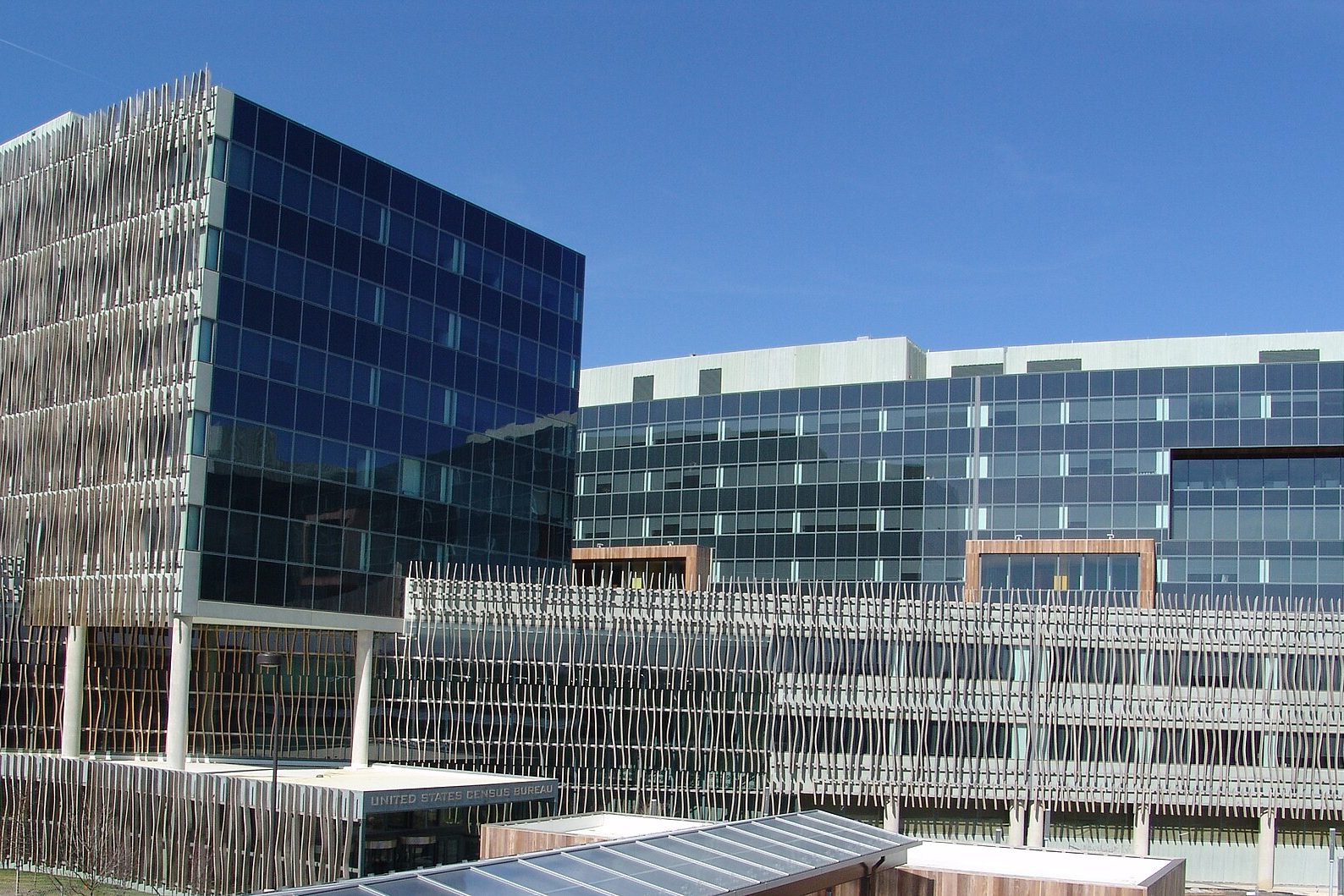
The glass and wood-screened headquarters building of the U.S. Census Bureau under a blue sky.
File photo: the Census Bureau's headquarters in Suitland, Maryland, in March 2007. The bureau publishes the monthly housing starts and permits report. Photo: U.S. Census Bureau

Construction began on homes at a seasonally adjusted annual rate of 1,309,000 in October, 9.9 percent above September's revised pace and 2.8 percent above October 2025, the Census Bureau said Wednesday. Single-family starts rose 4.0 percent to an 864,000 pace. Census notes that both changes fall within the survey's margin of error (plus or minus 16.8 percent for the monthly change in total starts), so it cannot say for sure that starts rose.

Building permits, a guide to future construction, fell 7.4 percent to a 1,295,000 pace and were 8.7 percent below a year earlier. Single-family permits dropped 8.7 percent to 772,000. Completions rose 6.5 percent to 1,272,000 but were 10.4 percent lower than a year ago, the one year-over-year change Census rated statistically significant.

Reuters said the rebound in starts was likely temporary given the drop in permits, and that economists expect the housing slowdown to continue into 2027. It pointed to high mortgage rates, a backlog of unsold new homes and higher costs; the National Association of Home Builders said stepped-up immigration enforcement is "deepening labor shortages and driving up costs." On Tuesday, NAHB's builder confidence index fell to its lowest since April 2012.

Freddie Mac's 30-year fixed rate averaged 7.11 percent as of Nov. 12; its next weekly survey comes out Thursday. Separately, the Mortgage Bankers Association's weekly applications index fell 2.3 percent in the week ended Nov. 13, after a 6.2 percent rise the week before, MT Newswires reported.

Census releases November figures on Dec. 17.

Sources

Retirement

New 401(k) Auto-Enrollment Rules Are Final, Starting With 2028 Plan Years

Covered plans must sign workers up at 3 percent of pay and raise that each year to at least 10 percent, unless the worker opts out.

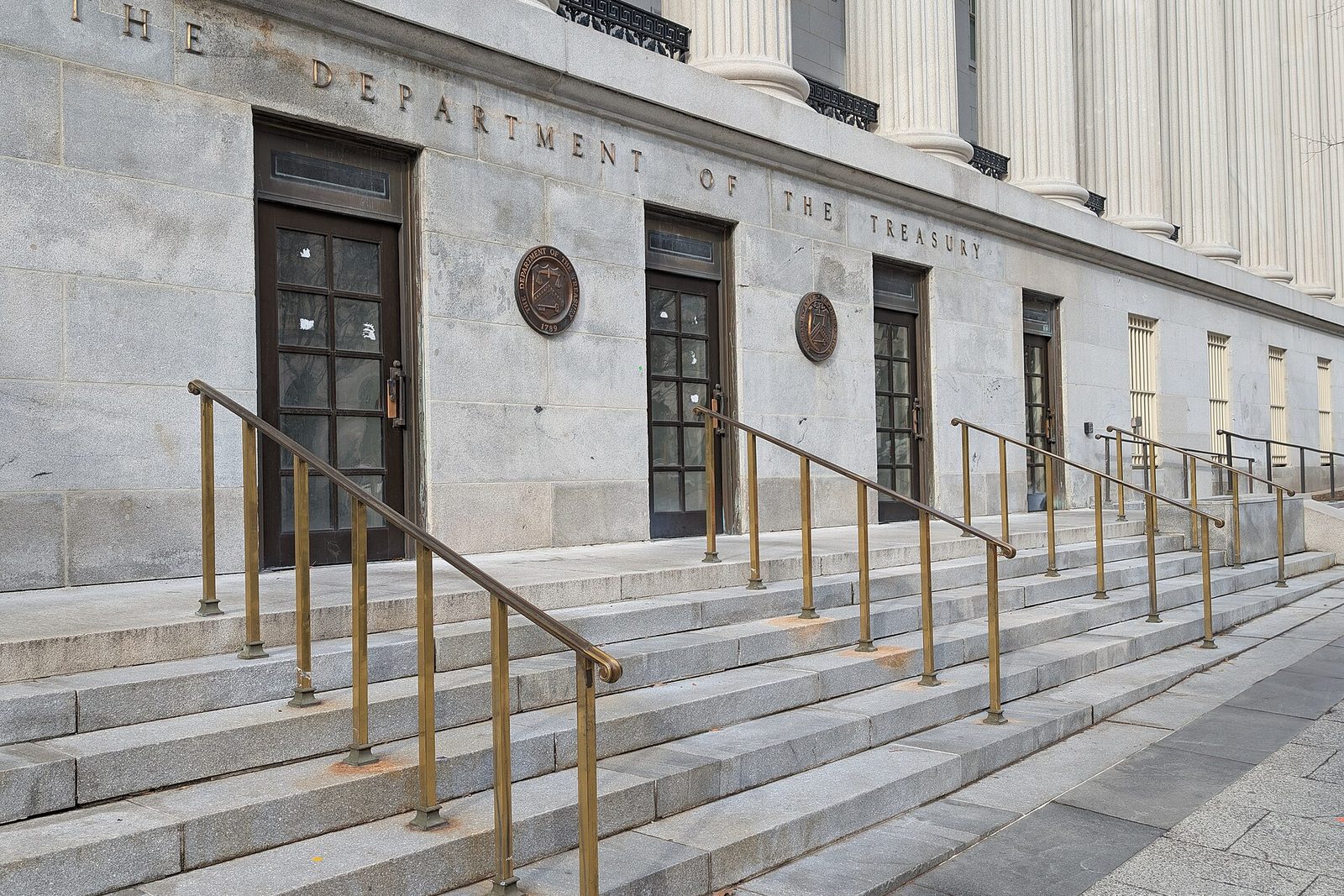
Stone steps with brass handrails leading to dark wooden doors under the carved words The Department of the Treasury.
File photo: a side entrance to the Treasury Department building in Washington in December 2025. Photo: G. Edward Johnson, CC BY 4.0, via Wikimedia Commons

The Treasury Department and the IRS issued final rules Tuesday for the automatic enrollment requirement in the 2022 SECURE 2.0 retirement law. Covered 401(k) and 403(b) plans generally must enroll eligible employees at a contribution rate of 3 percent of pay unless the employee says otherwise.

After an initial period, the default rate generally must rise by at least one percentage point a year until it reaches at least 10 percent, with a 15 percent cap. Workers can opt out or choose a different rate, the IRS said.

The rules generally apply to plan years beginning after Dec. 31, 2027, which gives employers time to change their systems. The law's exceptions remain for qualifying small and new businesses, government plans, church plans and SIMPLE 401(k) plans; the IRS release does not restate the size and age cutoffs, which are in the regulation itself.

Employers get some flexibility over when and by how much the automatic increases happen, within the law's limits. They may also combine some required notices, and they can send fewer annual notices to eligible employees who are not participating, as long as those employees get a yearly reminder. The rules also explain how the requirement applies after plans merge.

Treasury estimates the expansion will add an average of $4.2 billion a year to retirement savings over 2023 to 2032. "A financially secure retirement is a cornerstone of the American Dream," Treasury Secretary Scott Bessent said in the release.

Sources

notice Medicare Part B standard monthly premiumNationwide$209.40 in 2027 (up from $202.90 in 2026); Part B deductible $292; announced Nov 17, 2026checked Nov 18

Retirement

Medicare's Part B Premium Rises to $209.40 a Month in 2027

The standard premium goes up $6.50 and the yearly Part B deductible rises to $292, Medicare's agency said.

Painted illustration of an older couple at a kitchen table reading paperwork, with a calculator, a pill bottle, a health insurance card and a piggy bank.
AI-generated editorial illustration of a couple reviewing Medicare costs. Illustration

The standard monthly premium for Medicare Part B, which covers doctor visits, outpatient care and medical equipment, will be $209.40 in 2027, up $6.50 from $202.90 this year, the Centers for Medicare & Medicaid Services said Tuesday. The annual Part B deductible rises $9 to $292. CMS said the increases are "mainly due to projected increases in healthcare spending."

For many people, the Part B premium comes out of their Social Security payment, so it takes part of the 3.6 percent cost-of-living increase that Social Security announced for January. The new premium figure is the last piece people needed to estimate their net check for next year.

Hospital costs under Part A also rise. The inpatient deductible goes to $1,776 from $1,736. Daily coinsurance for days 61 to 90 in the hospital rises to $444, and to $222 for days 21 to 100 in a skilled nursing facility. About 99 percent of people with Medicare pay no Part A premium because they have at least 40 quarters of Medicare-covered work; those who buy in pay $328 a month at the reduced rate or $597 at the full rate.

Higher earners pay more. In 2027 the income-related surcharge starts above $112,000 of modified adjusted gross income for individuals and $224,000 for joint filers. Total Part B premiums at the higher tiers range from $293.10 to $711.80 a month, and Part D drug-plan surcharges run from $15.40 to $96.40 a month on top of the plan's premium. CMS said about 9 percent of enrollees pay these amounts.

Medicare's open enrollment period for 2027 coverage runs through Dec. 7. The Part B premium and deductible do not depend on which plan a person picks during that window.

Sources